
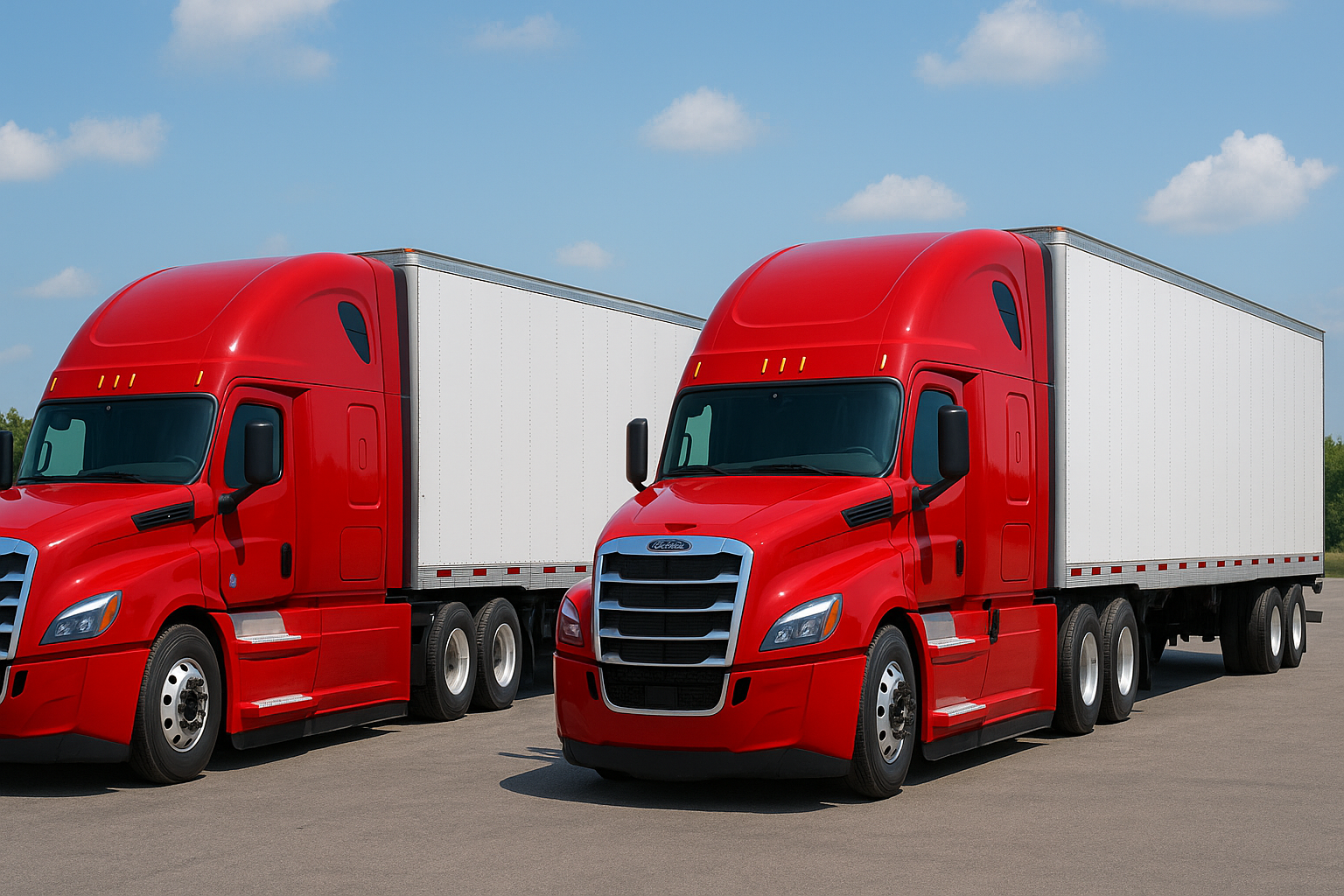
The American supply chain is a continent-sized circuit board: ports humming with cranes, warehouses breathing pallets in and out, and highways glowing with the steady pulse of headlights stretching from one horizon to the next. At the core of this vast living network stand OTR CDL-A drivers—professionals who guide over-the-road freight across thousands of miles with precision, patience, and grit.
Though their work is often tucked behind the curtains of everyday life, its impact is everywhere. Every stocked supermarket aisle, every factory running on schedule, and every delivery that magically appears at a doorstep owes its existence to someone steering a rig through weather, traffic, and time.
What Does an OTR CDL-A Driver Actually Do?
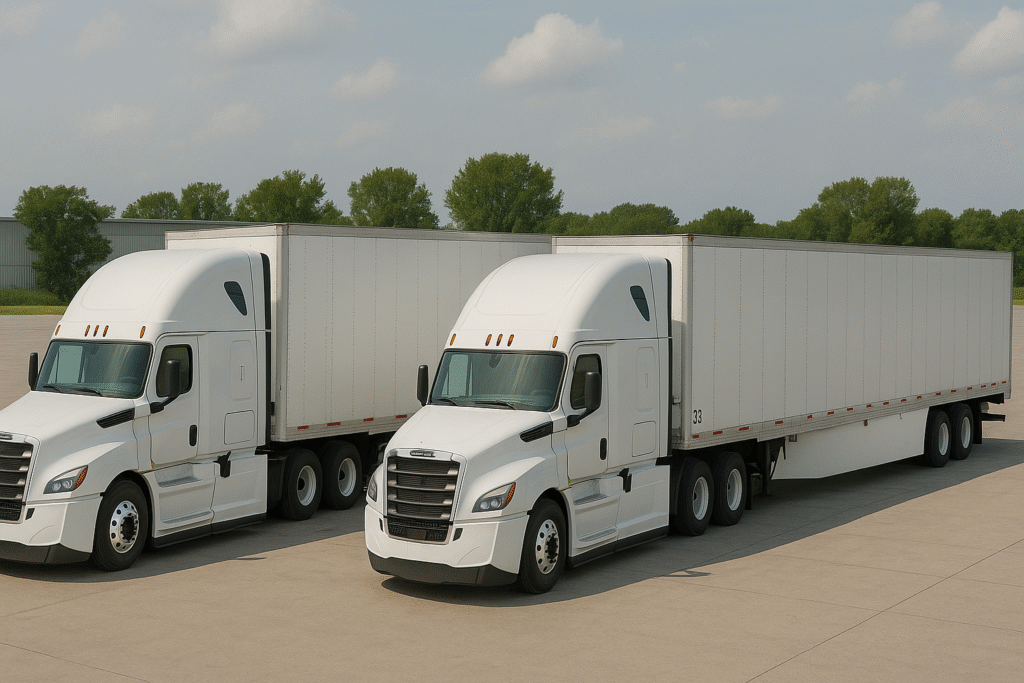
While many imagine the job as “just driving,” the day-to-day life of an OTR driver is a choreography of responsibilities that require skill, discipline, and sharp thinking.
Long-Distance Freight Transport
OTR drivers run routes that span 1,000–3,000+ miles. These can be regional loops or cross-country lanes, depending on the carrier. They navigate cities, rural highways, mountains, and ports — all while ensuring the freight reaches its destination safely and on schedule.
Vehicle Inspection and Safety Protocols
Before the wheels even turn, CDL-A drivers perform:
- Thorough pre-trip inspections
- Load securement checks
- Brake tests
- Cargo weight distribution analysis
Safety isn’t an accessory in this job; it is the foundation.
Regulatory Compliance
Between ELD logs, HOS regulations, speed limits, and state-specific trucking laws, OTR drivers operate in a tightly regulated environment. Compliance protects both the fleet and the driver — keeping everyone on the right side of DOT standards.
Communication With Dispatch
OTR drivers act as the field reporters of the trucking world: checking in, adjusting routes due to weather or construction, and ensuring real-time visibility into load movement. Good communication is as essential as good steering.
Problem-Solving on the Road
Unexpected detours, mechanical issues, sudden storms — an OTR driver meets each with composure and clear-headed decision-making. The job demands adaptability, not just endurance.
Why OTR Drivers Are in High Demand
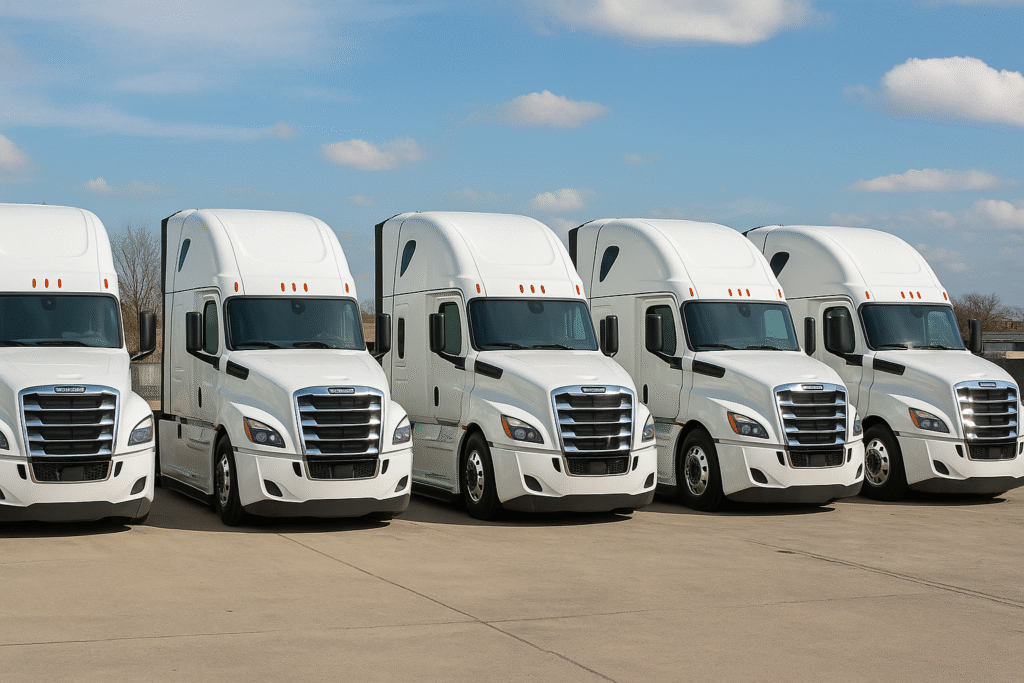
The demand for qualified CDL-A drivers continues to rise, turning long-haul professionals into one of the most valuable resources in American logistics.
1. Growing Freight Volume
E-commerce growth, manufacturing expansion, and increased domestic shipping have placed enormous pressure on carriers to keep freight moving. More freight means more trucks. And more trucks require more skilled drivers.
2. Retiring Workforce
A large percentage of seasoned CDL-A drivers are reaching retirement, creating a gap that younger generations aren’t filling fast enough. Carriers feel this shortage sharply in OTR roles, which require extended travel.
3. Strict Licensing and Training
Obtaining a CDL-A isn’t a weekend hobby — it requires training, testing, and adherence to ongoing safety standards. This naturally narrows the pool of qualified candidates.
4. Lifestyle Challenges
OTR work demands days or weeks on the road. Not everyone wants a lifestyle of long miles, solitude, and changing sleep schedules. Those who embrace it, however, become indispensable.
Together, these factors have created a market where skilled CDL-A drivers can secure competitive pay, bonuses, benefits, and strong job stability.
Skills That Make an Excellent OTR CDL-A Driver
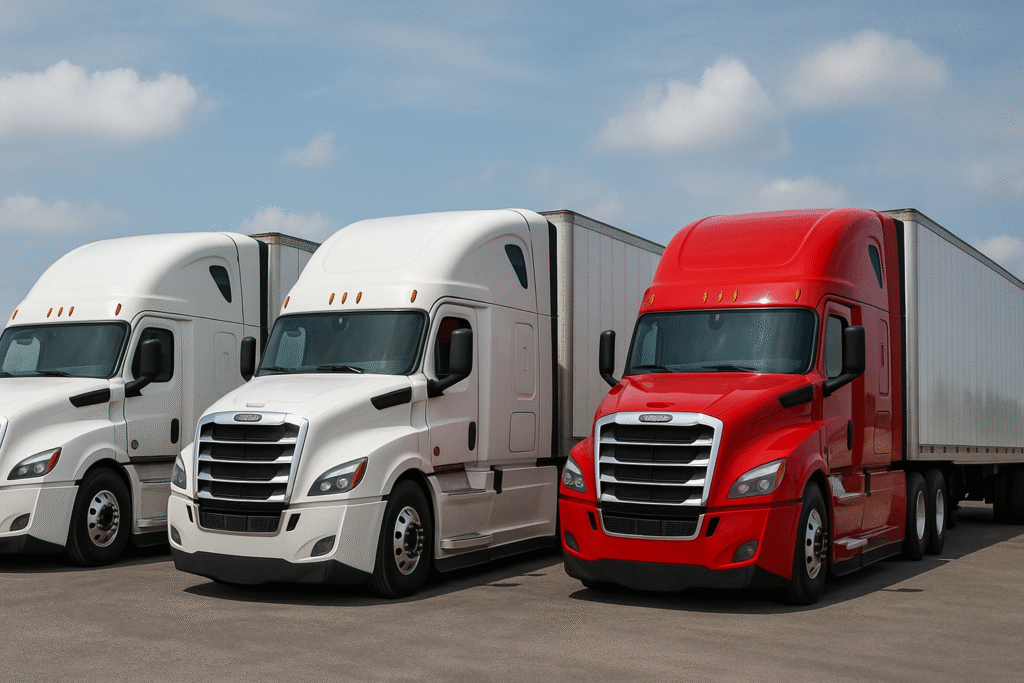
Driving a semi-truck across America is as much a mental craft as it is a physical one. Behind every successful CDL-A driver is a unique combination of qualities:
Strong Time Management
OTR runs rely on precise timing — from pickup windows to delivery appointments. Great drivers plan routes like strategists and manage HOS hours with discipline.
Mechanical Awareness
Drivers don’t have to be mechanics, but understanding how the truck “speaks” — through sounds, vibrations, tire feedback — helps prevent breakdowns and costly delays.
Situational Awareness
Weather patterns, road conditions, traffic changes, and unexpected hazards demand constant attention. OTR drivers develop almost radar-like instincts.
Emotional Resilience
Days alone, unpredictable schedules, or long waits at shippers can test anyone’s patience. Successful drivers maintain calm, steady energy that keeps them moving forward.
Communication & Professionalism
Shippers, receivers, dispatchers, and other drivers rely on clear communication. OTR professionals represent the company on every dock and every mile of highway.
Lifestyle on the Road: More Than Just Miles
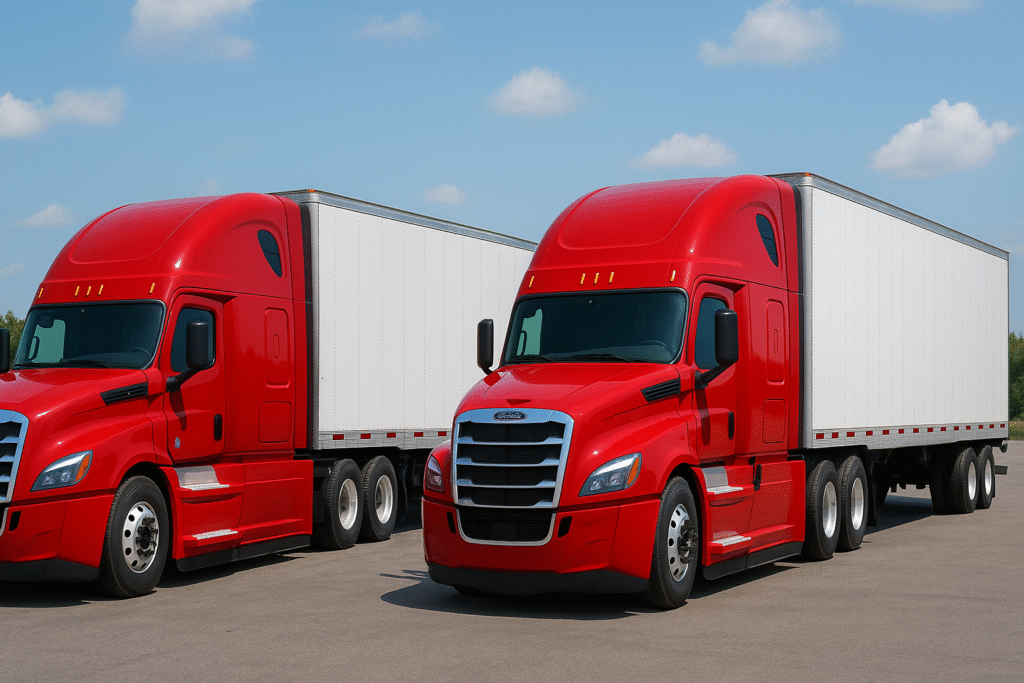
Life as an OTR CDL-A driver is a blend of motion and ritual, solitude and scenery. The road becomes a kind of traveling workspace, and the sleeper cab becomes a small-but-efficient mobile studio apartment.
Life in the Sleeper Cab
Modern trucks offer a surprising amount of comfort:
- Memory-foam mattresses
- Refrigerators and microwaves
- Climate control
- Advanced safety systems
- Noise reduction sleepers
Some drivers personalize their space with LED lighting, organizers, cooking gear, or compact workout equipment.
Daily Rhythm
A typical day might include:
- Sunrise roll-outs
- Weather checks
- Fuel stops or weigh stations
- Breaks at rest areas
- Traffic navigation
- Loading or unloading
- Evening shutdown in a quiet lot
Every driver builds their own rituals — the perfect coffee stop, the favorite podcast, the “lucky” rest area before a long climb.
Community on the Road
Despite working solo, drivers find camaraderie in CB radios, truck-stop diners, and shared experiences with other OTR professionals who understand the unique tempo of the job.
Final Thoughts
OTR CDL-A drivers are far more than freight carriers — they are navigators, safety experts, supply chain stabilizers, and the connecting thread between communities. As demand continues to rise, so does the value of every skilled professional willing to take on the open road.
